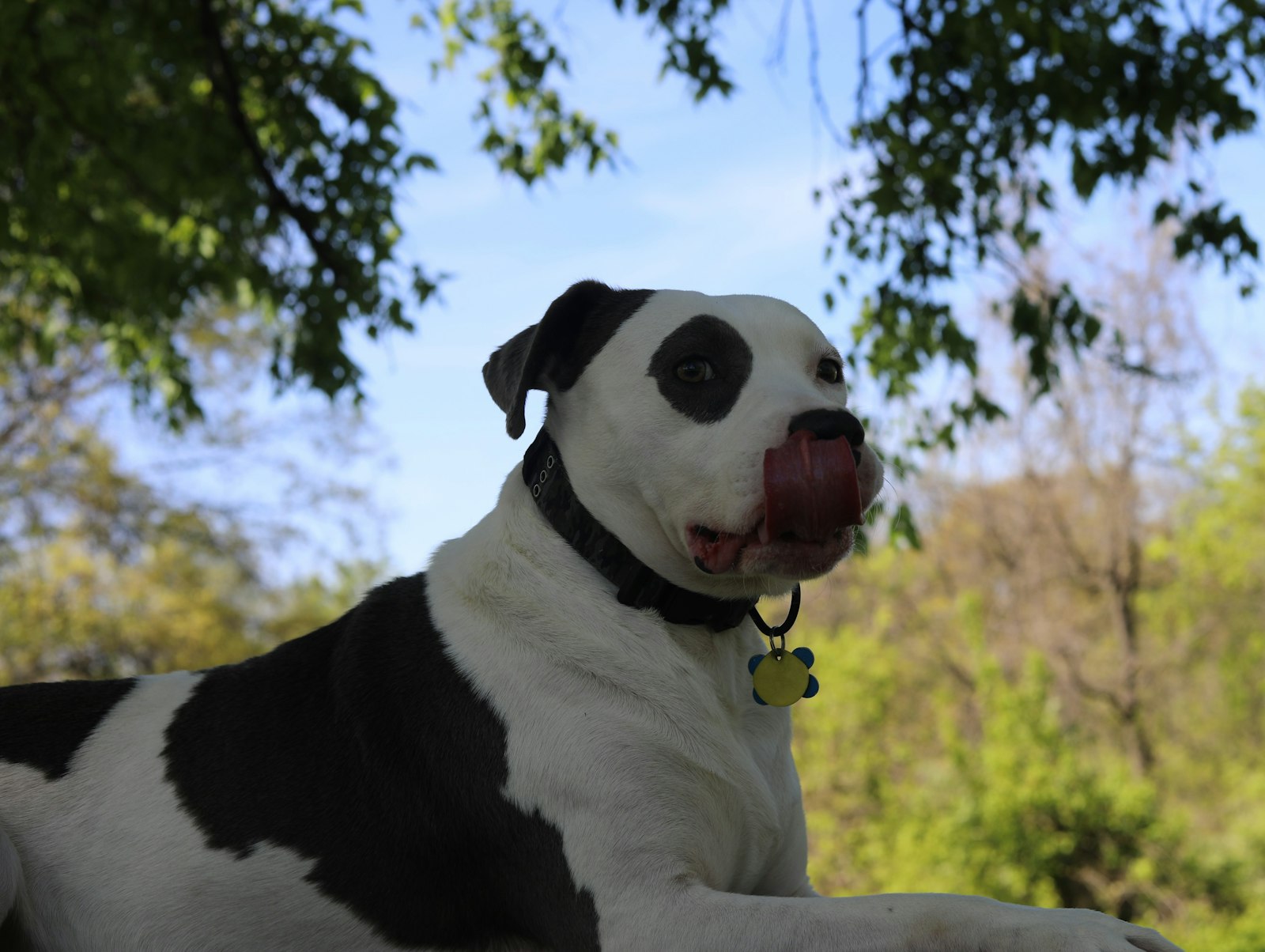
Dog grooming is easy to treat like something you book only when your dog starts looking shaggy, smelling a little stronger than usual, or leaving fur on every surface in the house. In practice, grooming works better as regular maintenance. It helps keep your dog comfortable, keeps the coat and skin in better shape, and makes day-to-day care easier between vet visits.
That matters if you are searching for dog grooming in Brentwood. A lot of owners start with convenience, price, or whoever has the next opening. Those things matter, but the better long-term question is whether the grooming routine actually fits your dog. The right fit depends on coat type, age, temperament, lifestyle, and how much upkeep you can realistically handle at home.
A short-coated dog that mostly needs baths, nail trims, and shedding control has different needs than a doodle mix that mats easily. A puppy learning to tolerate brushing is different from a senior dog that may need shorter, gentler appointments. The strongest grooming routine is built around the dog in front of you, not a generic calendar.
Why regular grooming matters
For most dogs, grooming is about more than appearance. It helps with coat condition, skin comfort, paw care, nail length, and overall cleanliness. It also gives owners and groomers more chances to notice small issues early, like irritated skin, ear buildup, hot spots, lumps, or mats forming in areas that are easy to miss.
When grooming gets pushed back too long, small problems tend to pile up. Nails get longer. Loose undercoat packs down. Fur around the paws grows out. The coat starts holding dirt, moisture, or debris. A dog that was easy to brush a few weeks ago can become much harder to manage.
That is why experienced groomers usually talk about maintenance, not rescue work. A manageable routine is often easier on the dog, easier on the coat, and less stressful for the owner too.
The best schedule depends on the coat
Most owners want a simple answer to how often their dog should be groomed, but there is no single schedule that works for every dog.
Some coats need professional grooming every four to six weeks, especially when the hair keeps growing and mats easily. Other dogs may do well with less frequent full appointments plus brushing, bathing, and nail care at home. Double-coated dogs often need regular de-shedding more than haircut-focused grooming. Short-coated dogs may not need clipping, but they still benefit from baths, nail trims, ear checks, and paw cleanup.
Activity level matters too. Dogs that spend a lot of time outside tend to bring home more dust, burrs, mud, and loose debris. In Brentwood, many dogs spend time in yards, on neighborhood walks, or at local parks, so paws and coats can get dirty faster than owners expect.
The best grooming rhythm usually comes from watching what happens between visits. Is the coat matting behind the ears? Are the nails getting too long before the next appointment? Is brushing at home turning into a struggle? Those signs tell you more than a rigid calendar rule.
What a good groomer will usually ask
One of the easiest ways to judge a groomer is to pay attention to the questions they ask before getting started. Good dog grooming is rarely one-size-fits-all.
A thoughtful groomer will usually ask about your dog’s breed or mix, age, coat type, skin sensitivity, brushing routine at home, grooming history, and whether your dog struggles with any part of the process. Some dogs hate nail trims. Some get nervous around dryers. Some do poorly in loud, busy environments. Others handle grooming easily.
That intake matters because it shows whether the groomer is trying to match the service to the dog. If someone can explain what makes sense for your dog, what is realistic, and what may need to change over time, that is usually a good sign.
Clear communication after the appointment matters just as much. A strong groomer will often tell you what they noticed, whether matting is starting in certain areas, whether your dog struggled with feet or drying, or whether a shorter maintenance schedule would help. That kind of feedback is useful because it helps you make better decisions next time.
Temperament matters just as much as coat type
Owners naturally focus on breed and coat first, but temperament can be just as important. A calm dog with a difficult coat may still do well on a standard schedule. A nervous dog with an easier coat may need slower handling, shorter visits, or a quieter setting.
This matters most for puppies, rescues, and dogs that have already had a stressful grooming experience. With puppies, the first few visits should be about comfort and confidence, not a perfect haircut. Getting used to brushing, bathing, paw handling, and standing still makes future grooming much easier.
Senior dogs often need extra consideration too. As dogs age, standing for long periods, handling around stiff joints, and long drying sessions can become harder. Shorter, more regular appointments are often easier on older dogs and help keep the coat from getting difficult to manage.
Salon grooming vs. mobile grooming
For some Brentwood households, a traditional salon is the obvious choice. For others, mobile grooming may be a better fit.
Salon grooming works well for many dogs, especially when the groomer is experienced, communicative, and a good match for the dog’s coat and behavior. Some dogs do well with that routine and settle into it quickly.
Mobile grooming can make sense when convenience is a big factor or when a dog does not do well with car rides, long waits, or a busier salon environment. It can be especially helpful for older dogs, anxious dogs, multi-dog households, or owners trying to fit grooming into a packed schedule.
The important question is not which format sounds better. It is which setup makes it easier to stay consistent. In most cases, the best routine is the one you can realistically keep.
How to think about grooming prices
Affordable dog grooming matters because for many owners it is an ongoing expense, not a one-time service. Still, affordable does not always mean choosing the lowest advertised price.
Cost often varies based on your dog’s size, coat type, coat condition, behavior, and how much work the appointment involves. One groomer’s base price may not include the same services as another’s. If one appointment includes nail care, ear cleaning, brushing, and de-shedding while another charges separately, those are not really equal comparisons.
The better way to think about value is over time. A routine that prevents severe matting, overgrown nails, and catch-up appointments is often a better use of money than waiting too long and paying for a more difficult, more stressful visit later.
Some owners save money by alternating full grooms with bath-and-brush visits. Others choose a lower-maintenance trim that is easier to keep up with at home. A practical groomer should be able to talk through those options with you.
Choose a routine you can actually maintain
The best dog grooming plan in Brentwood is usually not the fanciest one. It is the one that fits your dog well enough that you can keep up with it.
That may mean a local salon with clear communication and reliable scheduling. It may mean mobile grooming that removes enough hassle to make regular appointments easier. It may mean short puppy visits that build confidence, or gentler senior appointments that focus on comfort over perfection.
If you are comparing dog grooming options in Brentwood, focus on fit more than flash. Look for someone who asks good questions, explains what makes sense, and helps you build a routine around your dog’s coat, age, behavior, and everyday life.
When that happens, grooming stops feeling like something you are always behind on. It becomes what it should be: practical, ongoing care that helps your dog stay comfortable, clean, and easier to live with year-round.